Timing is everything when it comes to enjoying our spectacular beaches. Whether you’re planning your first visit or you’re a seasoned expat looking to maximize your beach time, understanding when to visit Bávaro Beach can make the difference between a crowded, seaweed-filled experience and the paradise vacation you’re dreaming of.
The Sweet Spot: December Through April
The absolute best time to visit Bávaro Beach is during the dry season, which runs from December through April. During these months, you’ll experience what I consider the perfect storm of ideal conditions: minimal rainfall, lower humidity, comfortable temperatures, and significantly reduced sargassum seaweed.
We’ve found that late January through March offers the most reliable weather patterns. The Christmas and New Year crowds have dispersed, and more tourists come in daily. During these months, you can expect daily temperatures in the mid-80s Fahrenheit (around 29°C) with refreshing ocean breezes that make even the hottest afternoons comfortable.
Learn everything about this iconic beach: All Things Bávaro Beach Sun Sand and Seriously Good Times in Paradise
Understanding Sargassum Season
One of the biggest concerns I hear from visitors is about sargassum seaweed, and rightfully so. This brown seaweed can completely transform your beach experience, creating unpleasant odors and making swimming less enjoyable.
The sargassum season typically peaks between May and October, with the worst conditions usually occurring from June through August. However, I’ve noticed that conditions can vary dramatically from year to year, and even from beach to beach within Bávaro.
During peak sargassum season, I recommend checking beach conditions before heading out. Some areas of Bávaro Beach may be completely clear while others are heavily affected. The key is staying flexible and knowing your alternatives.
If you want to avoid sargassum entirely, there are several nearby beaches that consistently stay clear: Macao Beach (about 20 minutes north of Bávaro) rarely gets seaweed due to its ocean currents and positioning. For a longer day trip, Dominicus Beach and Bayahibe (about an hour south) are protected by Cotubanamá National Park and face the Caribbean Sea rather than the Atlantic, making them virtually sargassum-free year-round.
Avoiding the Crowds: Timing Your Visit
If you want to avoid crowds Punta Cana beaches are famous for, timing is crucial. Here’s what I’ve observed over the years:
Peak Crowd Times to Avoid:
- December 20th through January 5th (Holiday season)
- Late January through mid-March (Winter peak season)
- March 15th through April 15th (Spring break)
- Easter week (dates vary each year)
Ideal Low-Crowd Periods:
- Early December (before holidays)
- Early January (after New Year)
- Early May (after spring break, before summer)
- July through August (moderate crowds, not peak season)
- September through mid-November (post-summer, pre-holiday)
Daily Timing Strategies
Even during busy seasons, you can still find peaceful moments on Bávaro Beach by adjusting your daily schedule. I’ve found that the beach is most crowded between 10 AM and 4 PM, when both resort guests and day-trippers are out in full force.
For the most serene experience, I recommend visiting during these times:
- Early morning (6:30-9:00 AM): Perfect for sunrise walks and peaceful swimming
- Late afternoon (4:30-6:30 PM): Ideal for sunset viewing and cooler temperatures
- Evening (after 7:00 PM): Great for romantic walks and avoiding the day’s heat
Weather Patterns and What to Expect
Understanding our local weather patterns will help you plan the perfect beach day. From my experience, here’s what you can expect throughout the year:
Dry Season (December-April): Consistent sunshine, minimal rainfall, trade winds keeping things comfortable. This is prime time for beach activities.
Wet Season (May-November): Higher humidity, afternoon thunderstorms, increased sargassum potential. However, mornings are often beautiful, and rain typically comes in short, intense bursts.
Hurricane Season (June-November): While Bávaro is generally well-protected, it’s worth monitoring weather forecasts during this period.
My Personal Recommendations
As someone who’s experienced Bávaro Beach in all seasons and conditions, here are my top tips for timing your visit:
- Book for February or March if you want guaranteed great weather and minimal seaweed
- Avoid July and August unless you don’t mind sargassum
- Check real-time beach conditions before making daily plans
- Have backup indoor activities planned during wet season visits
- Take advantage of shoulder seasons (November-early December, late April-May) for good weather with fewer crowds
Discover all the beaches worth visiting: Best Beaches Bávaro Punta Cana Complete Guide Popular Spots
Making the Most of Any Season
Remember, even during less-than-ideal times, Bávaro Beach offers incredible experiences. During sargassum season, focus on beach activities rather than swimming, or explore our many cenotes and pools. During crowded periods, venture to less popular beach access points or enjoy the vibrant atmosphere that comes with peak season.
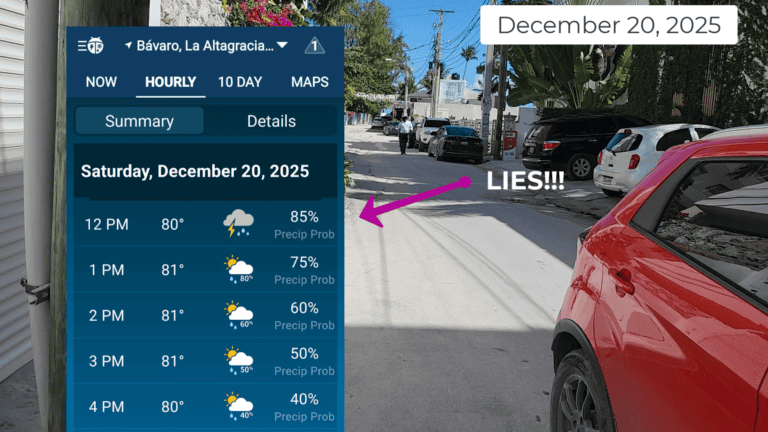
The beauty of living in or frequently visiting Bávaro is that you can be flexible with your beach time. Weather changes quickly here, and what looks like a poor beach day in the morning can turn into a perfect afternoon.
Whether you’re planning your first visit or your fiftieth, understanding these timing patterns will help you make the most of your time on one of the world’s most beautiful beaches. The key is setting realistic expectations and staying flexible – Bávaro Beach has something magical to offer in every season.
Understand your beach access options: Private vs Public Beaches in Bávaro Access Rights and Differences