Dominican food is unlike anything you’ve probably tasted before. It’s a fascinating fusion that tells the story of this island – indigenous Taíno ingredients like yuca and plantains, Spanish colonial influences bringing rice and spices, and African techniques that created dishes like mofongo. The result is comfort food that’s both familiar and completely exotic.
The Holy Trinity: Start With La Bandera Dominicana
You absolutely cannot leave the Dominican Republic without trying La Bandera Dominicana – literally “The Dominican Flag” – and there’s a good reason it’s considered the national dish. This colorful plate consists of white rice (representing the white on the flag), red beans (the red), and your choice of meat, usually chicken or beef (the blue, if you squint a little).
What makes this dish special isn’t just the symbolism – it’s how perfectly balanced it is. The rice soaks up the rich bean sauce, the meat adds heartiness, and it’s often served with sweet fried plantains and a fresh salad. You’ll find this meal served in practically every Dominican home and restaurant, and honestly, it’s comfort food perfection.
The beauty of La Bandera is that it’s different everywhere you try it. The family-run place near Plaza Bavaro might make their beans with coconut milk, while the restaurant by the beach adds a touch of cilantro. Each version tells you something about the cook’s family recipe.
Must-Try Snacks and Appetizers
While exploring Bavaro’s restaurants and local spots, you’ll find some fantastic appetizers and snacks that locals love. Tostones are absolutely everywhere, and for good reason. These twice-fried plantain discs are crispy on the outside, creamy inside, and perfect for dipping in garlic sauce or mayoketchup (yes, that’s a thing here, and it’s delicious).
Empanadas and pastelitos are Dominican favorites you’ll find at most restaurants. These golden, crispy pastries can be filled with cheese, chicken, beef, or even sweet fillings for dessert. Each restaurant has their own version, so try them at different places to compare.
Don’t miss quipes either – these football-shaped, deep-fried bulgur rolls stuffed with seasoned meat are the Dominican take on Lebanese kibbeh, a nod to the Lebanese immigration that added another layer to Dominican cuisine. They’re crispy, savory, and completely addictive.
Chicharrón deserves special mention – these crispy pork skins (or pork belly) are a Dominican obsession. The best chicharrón has that perfect contrast of ultra-crispy skin with tender fat underneath. It’s usually served with yuca, tostones, or rice and beans. Villa Mella, near Santo Domingo, is famous for having the best chicharrón in the country, but you’ll find excellent versions in Bavaro restaurants too.
Sancocho: The Weekend Celebration Stew
If you’re here on a weekend or during a special occasion, you might encounter sancocho – and consider yourself lucky. This isn’t just a stew; it’s a celebration in a bowl. The traditional version uses seven different meats (yes, seven!), including chicken, beef, pork, and goat, combined with root vegetables like yuca, ñame, and sweet potato.
Sancocho is what Dominican families make when they want to show love. It takes hours to prepare properly, and the aroma fills the entire neighborhood. The result is a rich, hearty stew that’s somehow both familiar and exotic. Every family has their secret ingredients and techniques, passed down through generations.
Breakfast Like a Dominican: Mangú and Los Tres Golpes
Mangú might look simple – it’s basically mashed plantains – but it’s the soul of Dominican breakfast. The plantains are boiled and mashed with butter and garlic, creating something that’s like the world’s most flavorful mashed potatoes. But the real magic happens when it’s served with Los Tres Golpes (the three hits) – fried cheese, fried salami, and fried eggs.
This breakfast will fuel you through a full day of beach activities, and it’s incredibly satisfying. The contrast of textures – creamy mangú, crispy cheese, salty salami – works in ways you wouldn’t expect.
Mofongo: The Dish That Divides Islands
Here’s where things get interesting. Mofongo exists in both Puerto Rico and the Dominican Republic, and each island swears theirs is better. Dominican mofongo starts with fried green plantains mashed in a wooden mortar with garlic, olive oil, and crispy pork rinds (chicharrón). It can be stuffed with chicken, seafood, or meat.
The texture is unique – not quite mashed potatoes, not quite rice, but something entirely its own. It’s hearty, garlicky, and when stuffed with fresh Caribbean seafood, absolutely divine.
Sweet Traditions: Habichuelas con Dulce
This one will blow your mind. Habichuelas con dulce is a dessert made with red beans, milk, sugar, sweet potato, and spices like cinnamon and cloves. I know what you’re thinking – beans for dessert? Trust me on this one.
This creamy, sweet concoction is traditionally eaten during Lent and Easter, and families make huge batches to share with neighbors. It’s served cold, topped with crushed cookies or cinnamon, and it’s unlike any dessert you’ve ever had. The flavor is complex – sweet but not cloying, creamy but not heavy.
Essential Dominican Drinks: Beyond the Resort Bar
Let’s talk about what you should be drinking. Presidente beer is the local favorite, served ice-cold in small bottles. Locals call it “una fría” (a cold one), and it’s perfect for hot Caribbean days. The flavor is light and crisp with a slight honey note that makes it incredibly refreshing.
But the drink you really need to try is Mamajuana – the Dominican Republic’s signature liqueur. This amber-colored concoction is made by soaking tree bark, herbs, and spices in rum, red wine, and honey. The recipe dates back to the indigenous Taíno people, who originally used these ingredients for medicinal tea.
Every region has its own Mamajuana recipe, but you’ll typically taste notes of cinnamon, anise, and various local herbs. It’s traditionally served at room temperature in shot glasses, and locals swear by its health benefits. The flavor is complex – slightly sweet, herbal, and warming.
Morir Soñando (literally “to die dreaming”) is the ultimate refreshing drink. This creamy, citrusy beverage combines fresh orange juice with evaporated milk, sugar, and vanilla. The name perfectly captures how blissful this drink tastes on a hot day. Every family has their own twist – some add a splash of rum for adults, others include crushed ice for extra refreshness.
For something uniquely Dominican, try Santo Libre – the local twist on Cuba Libre. Instead of cola, it uses lemon-lime soda like Sprite or 7UP mixed with Dominican rum and lime juice. It’s lighter and more refreshing than its Cuban cousin, perfect for beach days.
Now, if you want to try some cocktails that’ll make you feel like a true insider, ask for these local favorites. The Dirty Monkey is a creamy, indulgent drink that’s like a tropical milkshake with a kick. Made with banana, rum, Kahlúa, coconut cream, and pineapple juice, it’s blended with ice and served with chocolate syrup drizzled inside the glass. It’s basically an adult banana split in liquid form.
The Sammy Sosa cocktail (named after the famous Dominican baseball player) is a beautiful layered drink that represents the Dominican flag colors. It combines piña colada mix, strawberry daiquiri, and blue curacao, creating red, white, and blue stripes in your glass. Also called the Dominican Flag cocktail, it’s as Instagram-worthy as it is delicious.
Chinola is the Dominican word for passion fruit, and you’ll see this flavor everywhere – in fresh juices, cocktails, and even as a premium liqueur. Chinola Passion Fruit Liqueur is actually made right here in the Dominican Republic and has become a favorite ingredient for tropical cocktails. The fruit itself has an incredibly intense, sweet-tart flavor that’s unlike anything you’ve probably tasted. Try a fresh chinola juice or ask for it mixed with rum for the ultimate tropical experience.
Fresh Seafood: From Sea to Plate
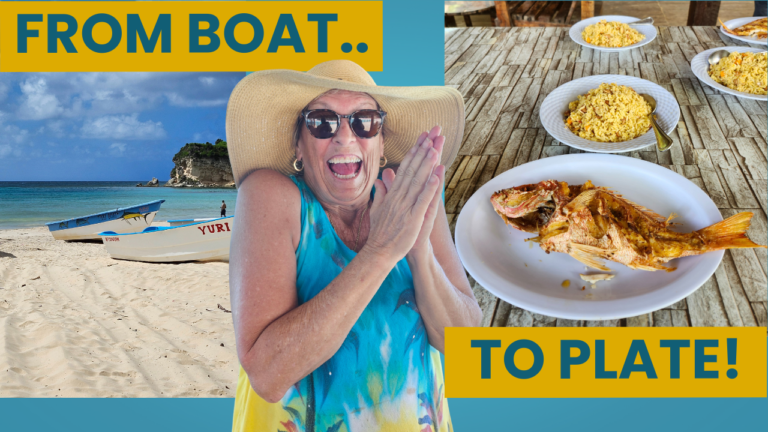
Being on the coast means incredible fresh seafood, and pescado frito (fried fish) is the beach standard. Local fishermen bring in snapper, grouper, and other Caribbean fish that’s prepared simply – seasoned, battered, and fried to golden perfection. It’s usually served with tostones and rice, and the freshness is unmatched.
For something more sophisticated, try pescado con coco – fish prepared in coconut sauce. The coconut milk creates a rich, slightly sweet sauce that perfectly complements the fresh fish. It’s comfort food with a Caribbean twist.
Where to Find the Best Local Food
In Bavaro, you have options beyond the resort restaurants and that’s a big reason we created nowinpuntacana.com. The area around Plaza Bavaro has several local spots where you can try authentic Dominican food at reasonable prices.
We are continuously adding pages for all the local businesses so you can EASILY find exactly what you are looking for. Just go to this directory and filter the list by your desires. Be sure to check if the restaurant offers a discount, and sign up for our VIP membership so you can save money on your visit.
The beach area of Los Corales has some excellent seafood spots where you can eat with your feet in the sand and most are already listed on our site with more to come.
Many restaurants in the tourist areas will have servers who speak English and can help explain dishes if you’re unsure what to order. Don’t be afraid to ask questions – Dominicans are proud of their food and love sharing their culinary traditions with visitors.
A Few Practical Tips
While some Caribbean cuisine is often spicy (hot), Dominican food is not. The flavors come from herbs, garlic, and sofrito (a seasoning base made with peppers, onions, and herbs) rather than heat. If you want heat, ask for hot sauce on the side.
Portions are generally generous, so don’t over-order on your first try. Many dishes are meant to be shared, and locals often order several items for the table.
Most importantly, be adventurous. Dominican cuisine reflects the warm, welcoming nature of the people here. Don’t be afraid to ask your server what they recommend or to try something you’ve never heard of. Some of my best food discoveries happened when I threw caution to the wind and ordered something completely unfamiliar.
The flavors of the Dominican Republic tell the story of this beautiful island – its history, its people, and its rich cultural heritage. Each dish connects you to traditions that stretch back generations, and each meal is an opportunity to understand this place a little better.
So step away from the resort buffet, grab some pesos, and go exploring. Your taste buds will thank you, and you’ll return home with food memories that last long after your tan fades. After all, the best way to understand any culture is through its food – and Dominican culture has some seriously delicious stories to tell.