When you first receive a receipt in the Dominican Republic, you might feel like you’re looking at hieroglyphics. Trust me, I remember staring at my first restaurant bill in Bávaro, completely confused by all the different charges and percentages. What was ITBIS? Why was there a service charge? And most importantly – was I being overcharged?
After years of visiting here and helping countless visitors decode their receipts, I’ve become something of a receipt whisperer. Let me walk you through everything you need to know about Dominican receipts, so you can dine, shop, and spend with confidence.
What is ITBIS and Why It’s on Every Receipt
ITBIS (Impuesto sobre la Transferencia de Bienes Industrializados y Servicios) is the Dominican Republic’s version of sales tax or VAT. Think of it as the country’s way of collecting revenue on goods and services – similar to how states in the US charge sales tax, but with a fancier name.
The current ITBIS rate is 18%, and it’s included in almost everything you buy. When you see ITBIS on your receipt, you’re looking at the tax portion of your purchase. Here’s the key thing most tourists don’t realize: this tax is usually already built into the prices you see on menus and price tags.
I learned this the hard way during my first week in Punta Cana. I thought ITBIS was an additional charge being added to my bill, so I was getting frustrated thinking restaurants were sneaking in extra fees. Turns out, they were just showing me the breakdown of what I was already paying.
Breaking Down a Typical Dominican Receipt
Let me walk you through what you’ll typically see on a Dominican receipt, using a restaurant bill as an example:
Subtotal (Base Amount): This is the pre-tax cost of your items ITBIS: The 18% tax (which is calculated from the subtotal)
Service Charge: Usually 10% for restaurants (more on this below) Total: Your final amount to pay
Here’s where it gets interesting – some places show prices “with ITBIS included” while others show it separately. When ITBIS is shown separately, you’ll see it broken out on your receipt. When it’s included, the prices you see already have the tax built in.
Master the complete tipping etiquette in Punta Cana: Tipping in Punta Cana Complete Guide Amounts Etiquette
The Service Charge Situation: What You Need to Know
This is where things get really interesting, and where I see most visitors get confused. Many restaurants in Bávaro and Punta Cana automatically add a 10% service charge to your bill. This isn’t exactly a tip – it’s more like a service fee that goes to the restaurant.
Now, here’s the part that might surprise you: even with this service charge, many servers still expect an additional tip. I know, I know – it feels like double-dipping. But this is how the system works here, and understanding it will save you from awkward situations.
When I first moved here, I assumed the service charge was the tip and didn’t leave anything additional. I quickly learned from a local friend that the service charge often doesn’t make it directly to your server. Most expats and locals I know add another 5-10% on top of the service charge if the service was good.
Different Types of Receipts You’ll Encounter
Restaurant Receipts: Usually show subtotal, ITBIS, service charge (10%), and total
Apply this knowledge when dining at these top restaurants: Best Restaurants Bávaro Punta Cana Dining Guide
Shop/Store Receipts: Typically just show subtotal, ITBIS, and total Supermarket Receipts: Can be more complex, with some items taxed and others not Service Receipts (like spa treatments): Often include both ITBIS and service charges
The key is learning to read the Spanish terms. “Subtotal” is pretty universal, “ITBIS” will always be ITBIS, and service charges might appear as “Servicio” or “Cargo por Servicio.”
When ITBIS Doesn’t Apply
Not everything in the Dominican Republic is subject to ITBIS. Some basic necessities and services are exempt, which is why your grocery receipts might look inconsistent – some items have ITBIS, others don’t.
Common ITBIS-exempt items include:
- Basic food staples (rice, beans, some fruits and vegetables)
- Medical services and medications
- Educational services
- Some transportation services
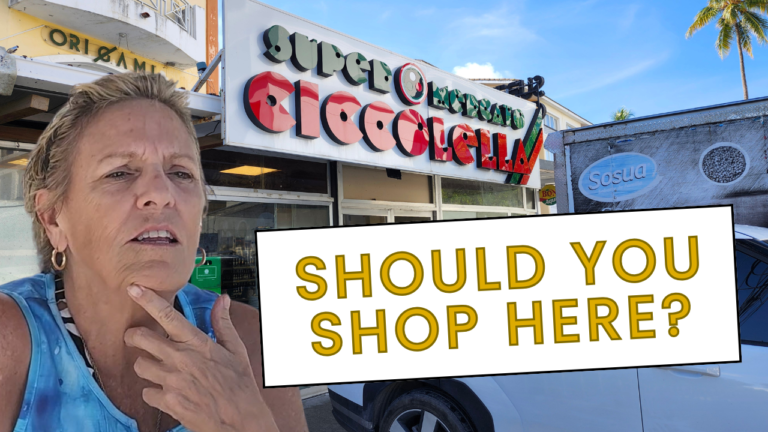
This is why when you shop at places like Ciccolella or other supermarkets in Bávaro, you’ll notice some items on your receipt show ITBIS and others don’t.
Navigate the best supermarkets with confidence: Your Guide Supermarkets in Bávaro
Red Flags: When Something Might Be Wrong
After reviewing hundreds of receipts (both my own and helping other expats), here are the warning signs that something might not be right:
Double ITBIS: If you see ITBIS calculated on the subtotal AND on the service charge, that’s incorrect Excessive Service Charges: Standard is 10% for restaurants; anything significantly higher should be questioned Missing Receipt Details: Legitimate businesses should provide itemized receipts with clear business information Unclear Charges: Any charges that aren’t clearly labeled should be questioned
I once had a restaurant try to charge ITBIS on both the food total AND the service charge separately. When I politely asked about it, they corrected the error. Don’t be afraid to ask for clarification – most places are honest and will explain the charges.
Tips for Receipt Management and Budgeting
Keep your receipts, especially for larger purchases. Not only is this good practice for budgeting, but some businesses are required by law to provide receipts, and keeping them helps you track where your money is going.
I recommend taking photos of receipts with your phone – the tropical humidity here can make paper receipts fade quickly. Plus, if you’re tracking expenses for tax purposes back home, digital copies are incredibly useful.
When budgeting for meals and activities, remember to factor in both the ITBIS and potential service charges. A meal listed at 1,000 pesos might actually cost you 1,100 pesos with service charge, even though the ITBIS is already included in that 1,000 peso price.
Making Sense of Credit Card Receipts
Credit card receipts add another layer of complexity. You’ll often see the Dominican peso amount, but your card might process it in US dollars. The exchange rate used can vary between your card company and what you see locally.
Always ask to pay in pesos when using your credit card. Some places will offer to charge your card in US dollars, but this often comes with a worse exchange rate. I’ve saved significant money over the years by insisting on peso transactions.
The Bottom Line on Dominican Receipts
Understanding Dominican receipts isn’t just about avoiding confusion – it’s about being a savvy consumer. Once you know what to look for, you can:
- Quickly spot any errors or unusual charges
- Budget more accurately for your expenses
- Feel confident that you’re paying fair prices
- Navigate the tipping culture appropriately
The Dominican Republic’s receipt system actually provides more transparency than many countries. Once you understand the components, you’ll appreciate being able to see exactly how your money breaks down.
Remember, most businesses here are honest and the receipt system is designed to be transparent. Don’t let initial confusion deter you from enjoying everything Bávaro and Punta Cana have to offer. With this knowledge, you’re ready to dine, shop, and spend like a local.
For more on Financial Safety:
Read this: Crime Prevention and Personal Security in Bávaro