It is reasonable to think that dealing with utilities in the Dominican Republic would be straightforward – but it’s not! After talking with countless expats I’ve learned that understanding utilities in the Dominican Republic is crucial for anyone planning more than a vacation stay.
If you are living here but renting, much of your utilities responsibility falls to your property manager or rental agent. If you are or have purchased a property, here’s what you need to know about utilitiies.
The Reality of Infrastructure in Bávaro
Bávaro’s infrastructure has come a long way, but it’s important to set realistic expectations. We’re not dealing with North American or European standards here, and that’s actually okay once you understand how things work. The key is preparation and knowing what to expect.
The Dominican Republic’s utility infrastructure operates differently than what most expats are used to. Power outages are a part of life in some areas, internet speeds can vary dramatically, and mobile phone coverage depends heavily on your exact location. But here’s the thing – locals have adapted brilliantly to these conditions, and so can you.
Electricity: Your Biggest Utility Adventure
Let’s start with the elephant in the room – electricity. This is where most expats get their first culture shock, and honestly, it’s the utility that will impact your daily life the most.
Understanding the Dominican Electrical System
The Dominican Republic uses a unique circuit system that many expats find confusing at first. The country operates on a system that may cause different neighborhoods get power at different times during planned outages.
The good news? Most of Bávaro is on relatively stable circuits compared to other parts of the country. The tourism infrastructure has pushed for better electrical reliability, and it shows. That said, you may still experience outages, especially during hurricane season or when the national grid faces capacity issues but they don’t usually last long.
Power Outages: When, Why, and How to Prepare
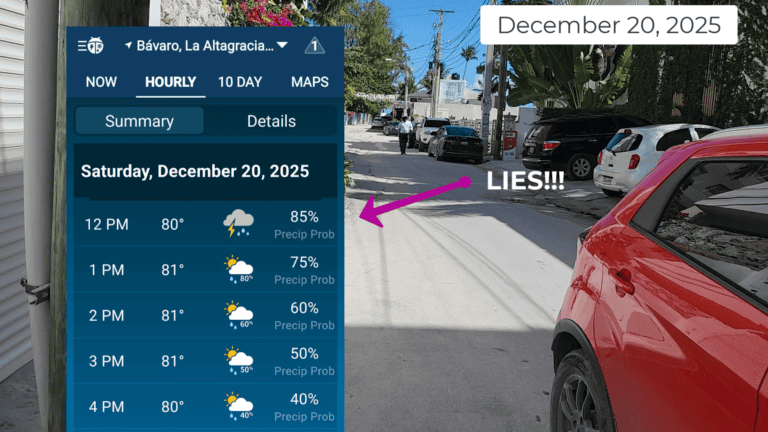
Power outages in Bávaro typically fall into two categories: planned and unplanned. Planned outages usually happen during maintenance periods and are supposed to be announced in advance (though the communication isn’t always reliable). Unplanned outages can result from storms, equipment failures, or grid overload during peak usage times.
Most outages last between 30 minutes to 4 hours. Rarely do they extend beyond a day unless there’s a major storm.
Electricity Costs and Bills
Here’s where many expats get sticker shock. Electricity in the Dominican Republic is expensive – among the highest rates in the Caribbean. Your monthly bill will likely be your largest utility expense, especially if you run air conditioning frequently.
Most rental properties charge electricity separately from rent, and there’s a good reason for this.
Master the complexities of the electrical system: Electricity Bills and Power Outages Bávaro Complete Guide
A typical monthly breakdown for moderate usage might look like this:
- Basic household appliances: $40-60
- One bedroom with AC running 6-8 hours daily: $80-120
- Two bedrooms with AC plus frequent pool pump usage: $150-200
The bills come in Spanish, but they’re fairly straightforward once you understand the format. The key number you’re looking for is “Total a Pagar” (Total to Pay).
Energy Efficiency Tips That Actually Work
To avoid eye-watering electricity bills, these efficiency strategies can cut your bill significantly:
Use your air conditioning strategically. Instead of keeping it at 68°F all day, try 76-78°F when you’re home and turn it off when you’re out. Those few degrees make a massive difference in cost.
Ceiling fans are your best friend. A good ceiling fan can make 78°F feel like 72°F and uses a fraction of the electricity. Most local hardware stores sell quality fans for $60-100.
Close off unused rooms. If you’re not using a bedroom, close the vents and door. No need to cool empty spaces.
Consider your water heater. Many expats don’t realize their electric water heater runs 24/7. Try turning it off when you’re away for more than a day.
Mobile Phone Service: Staying Connected
Mobile phone service in Bávaro is generally excellent, which might surprise expats coming from rural areas in their home countries. The tourism industry has pushed mobile carriers to provide robust coverage throughout the Punta Cana region.
Major Carriers and Coverage
Three main carriers dominate the Dominican market: Claro, Altice, and Viva. In Bávaro, Claro tends to have the most reliable coverage, especially if you venture outside the main tourist areas. Altice offers competitive data packages and good coverage within Bávaro itself. Viva is the budget option with adequate coverage for basic needs.
Do I Need Dominican Phone Service to Use My Phone?
Maybe not. I have a fairly affordable plan with AT&T in the US that includes international data, text, and talk. If you are an expat or travel a lot, it may be worth the extra cost.
Before leaving the US, check with your carrier to see what plans they have available for international calling, text and data.
Get connected with phone and internet services: Mobile Phone Guide Bávaro Networks SIM Cards Costs
Getting Connected: SIM Cards and Plans
If your domestic service doesn’t have an international plan that suits your needs, getting a Dominican SIM card is refreshingly straightforward. You can buy SIM cards at any carrier store, most supermarkets, or even from street vendors (though I recommend official stores for your first purchase).
You’ll need your passport for identification, and that’s it. No proof of address, no lengthy contracts for prepaid service. Most expats start with prepaid plans to test coverage and data usage before committing to monthly contracts.
Prepaid data packages are incredibly affordable. As of this writing, you can get 5GB of data for about $10, which covers most people’s monthly usage. If you’re working remotely or streaming a lot, monthly unlimited plans run $25-40 but if your condo or apartment has wifi you may not need an unlimited plan on your phone.
International Calling and Texting
The absolute BEST way to call or text a Dominican number is to use WhatsApp. Most Dominicans prefer WhatsApp over traditional SMS or phone calls because it’s free to use over WiFi or data, supports voice and video calls with excellent quality, and allows for easy sharing of photos, documents, and location information.
WhatsApp is so ubiquitous in the Dominican Republic that many businesses list only their WhatsApp number rather than a traditional phone number, and locals often assume you’ll contact them through the app.
Additionally, WhatsApp calls don’t incur international roaming charges when you’re traveling, making it the most cost-effective way to communicate. Simply save the Dominican number (starting with +1-809, +1-829, or +1-849) to your contacts and start a WhatsApp conversation – you’ll find response times are typically much faster than traditional methods.
For data roaming from outside your home country, my advice is simple: don’t. The roaming charges will shock you. Either get an international plan from your carrier at home or get a local SIM immediately upon arrival.
Internet Service: Working and Streaming
Internet service in Bávaro has improved dramatically in recent years, driven largely by the remote work boom and tourism industry needs. That said, your experience will vary significantly based on your exact location and provider.
Available Providers and Speeds
The main internet providers in Bávaro are Altice (formerly Orange), Claro, and some smaller local companies. Altice generally offers the most reliable service with speeds that actually match what you pay for. Claro’s internet service can be hit-or-miss depending on your specific area.
Most expats find 20-50 Mbps plans sufficient for remote work and streaming. These typically cost $40-70 monthly (as of June 2025). Higher speeds are available but often aren’t necessary unless you’re doing video conferencing all day or have multiple people streaming simultaneously.
Setting Up Home Internet
Getting internet installed requires a bit more patience than mobile service. You’ll need to visit a provider office with your passport and proof of address (rental agreement works). Installation typically takes 3-7 days, and yes, you’ll need to be home for the technician visit.
Most installations are straightforward, but I recommend being present to ensure the technician tests the connection thoroughly before leaving. Internet issues are much easier to resolve during installation than afterward.
Water System and Quality
Bávaro’s water system is generally reliable for basic needs, but most expats choose to supplement with filtration or delivery services for drinking water.
Municipal Water Service
The municipal water system provides water that’s safe for washing, showering, and cleaning. It’s treated and chlorinated, meeting basic safety standards. However, the taste and mineral content can be quite different from what many expats are used to.
Water pressure varies throughout the day, with lower pressure during peak usage times (early morning and evening). Most homes have water tanks that fill during high-pressure periods and provide consistent pressure throughout the day.
Drinking Water Solutions
Most long-term residents use one of three approaches for drinking water: delivery services, filtration systems, or a combination of both.
Water delivery services are incredibly affordable and convenient. <insert link to article>
For those preferring filtration systems, reverse osmosis units work well here with an estimated cost of $200-400 installed. They provide unlimited filtered water but require periodic filter changes.
Set up reliable water solutions for your home: Water Filtration Systems Bávaro Complete Setup Guide Expats
Gas Service for Cooking
Most homes in Bávaro use propane gas for cooking and sometimes hot water. This system works well and is actually more reliable than electric cooking during power outages.
Propane tanks are delivered by local suppliers or can be exchanged at most supermarkets and hardware stores. A typical 25-pound tank costs $12-15 and lasts most couples 4-6 weeks with regular cooking.
The delivery service is casual but reliable. Most suppliers will set up a schedule to check and replace your tank monthly, or you can call when needed.
Cable TV and Entertainment
Cable television options in Bávaro range from basic local packages to comprehensive international channels. Most expats find streaming services more appealing, but reliable internet makes cable less necessary than in some areas.
Altice and Claro both offer cable packages with international channels including CNN, ESPN, and various Spanish-language networks.
Many expats skip cable entirely and rely on streaming services, which work well with decent internet connections.
Utility Deposits and Setup Processes
Setting up utilities in Bávaro requires some paperwork but isn’t overly complicated. Here’s what you need to know for each service:
Required Documentation
For most utility setups, you’ll need:
- Valid passport
- Proof of address (rental agreement or property deed)
- Sometimes a reference from your landlord or property manager
Some services require deposits, especially if you don’t have Dominican credit history. Electricity deposits can range from $50-200 depending on estimated usage. Internet services typically require first month plus installation fee upfront.
Payment Methods and Locations
Most utilities can be paid at banks, supermarkets, or online. Many expats set up automatic payments once they have Dominican bank accounts. Cash payments are accepted everywhere, and most locations are open extended hours for convenience.
Backup Power Solutions
Given the reality of power outages, many expats invest in backup power solutions. Your options range from basic battery backups to whole-house generators.
Inverter Systems
Inverter systems are the most popular backup solution among expats. They use car batteries to power essential items during outages – lights, fans, refrigerator, and internet modem. A basic inverter system costs $300-600 and can power essentials for 4-8 hours.
Generators
Gasoline generators work well for longer outages but require fuel storage and regular maintenance. They’re louder than inverters but can power air conditioning units, which inverters typically cannot.
Solar Options
Solar power is becoming increasingly popular, especially for powering inverter systems. Solar panels can keep your batteries charged during extended outages and reduce your overall electricity consumption.
Managing Utility Costs
Your monthly utility budget in Bávaro will likely look something like this:
- Electricity: $80-200 (highly variable based on AC usage)
- Mobile phone: $15-40
- Internet: $40-70
- Water delivery: $15-25
- Gas: $15-25
- Cable (if desired): $25-80
Total monthly utilities typically range from $175-440, with electricity being by far the largest variable.
Common Utility Problems and Solutions
- Every expat faces utility challenges at some point. Here are the most common issues and how to handle them:
- Unexpectedly high electricity bills usually result from air conditioner overuse or inefficient settings. Check your AC units and consider having them serviced if they seem to be running constantly.
- Internet slowdowns often occur during peak usage times (evenings and weekends) when everyone’s streaming. This is normal and usually temporary.
- Mobile service dead zones exist even in Bávaro. If you have consistent problems at your residence, consider switching carriers or adding a signal booster.
- Water pressure issues typically resolve themselves, but if persistent, check with neighbors to see if it’s area-wide or specific to your property.
Emergency Contacts and Resources
Keep these contacts handy for utility emergencies:
- EDE (electricity): *611 from any phone
- Altice/Claro customer service: available 24/7
- Water emergencies: contact your property manager first
- Gas delivery: most suppliers provide WhatsApp numbers
Most utility issues can be resolved through customer service calls, but having your account numbers ready speeds up the process significantly.
Final Thoughts: Embracing the Bávaro Utility Reality
Living in Bávaro means accepting that utilities work differently than in North America or Europe. The infrastructure is improving constantly, driven by tourism and growing expat communities, but it’s still a developing system.
The key to happiness with Bávaro utilities is preparation and realistic expectations. Power outages happen – have a backup plan. Internet can slow down during peak times – plan important video calls accordingly. Mobile coverage is excellent in most areas – but test your specific location.
Most importantly, remember that locals have mastered living comfortably within these systems. The solutions I’ve shared come from years of learning from Dominican neighbors who’ve figured out how to live well despite infrastructure challenges.
Your utility experience in Bávaro will improve dramatically as you learn the local patterns and solutions. What seems challenging initially becomes routine, and you’ll likely find yourself helping newer expats navigate the same systems that once seemed impossible.
The infrastructure reality is just one part of the Bávaro experience, and once you’ve mastered it, you can focus on enjoying everything else this incredible place has to offer.